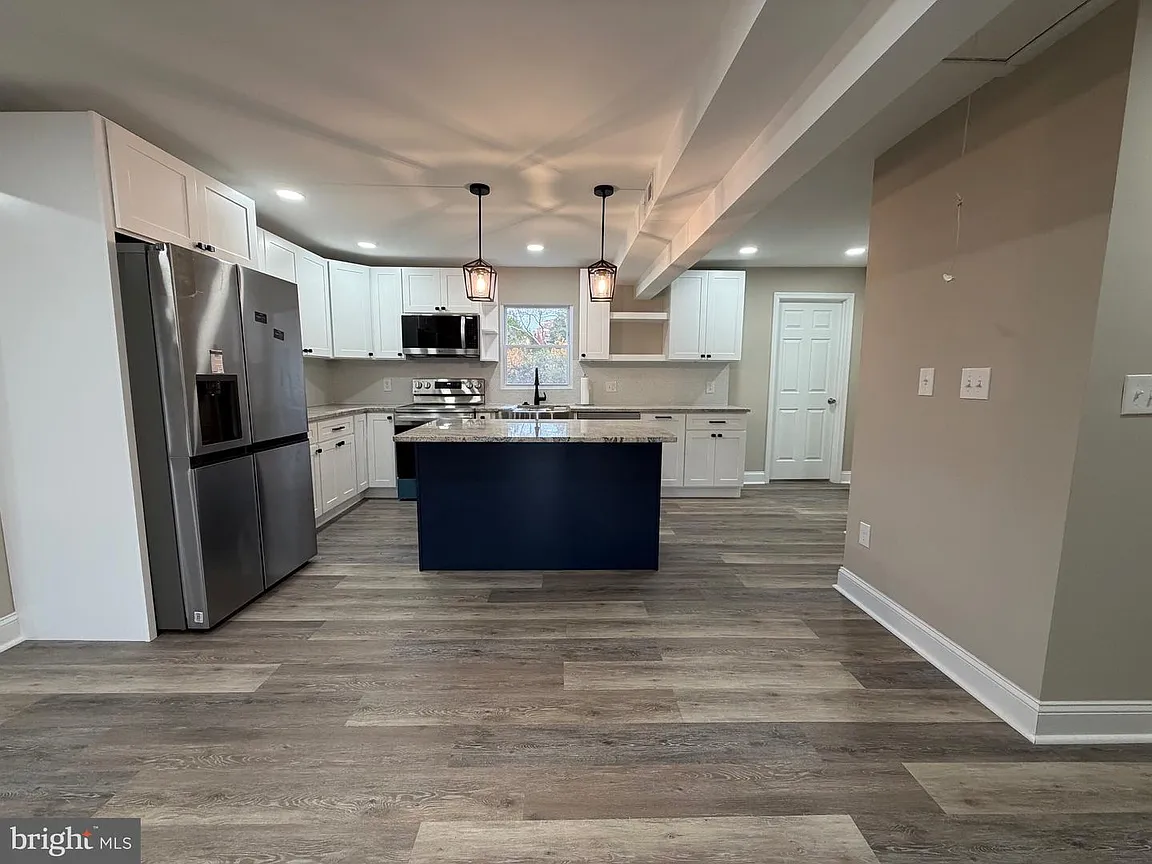
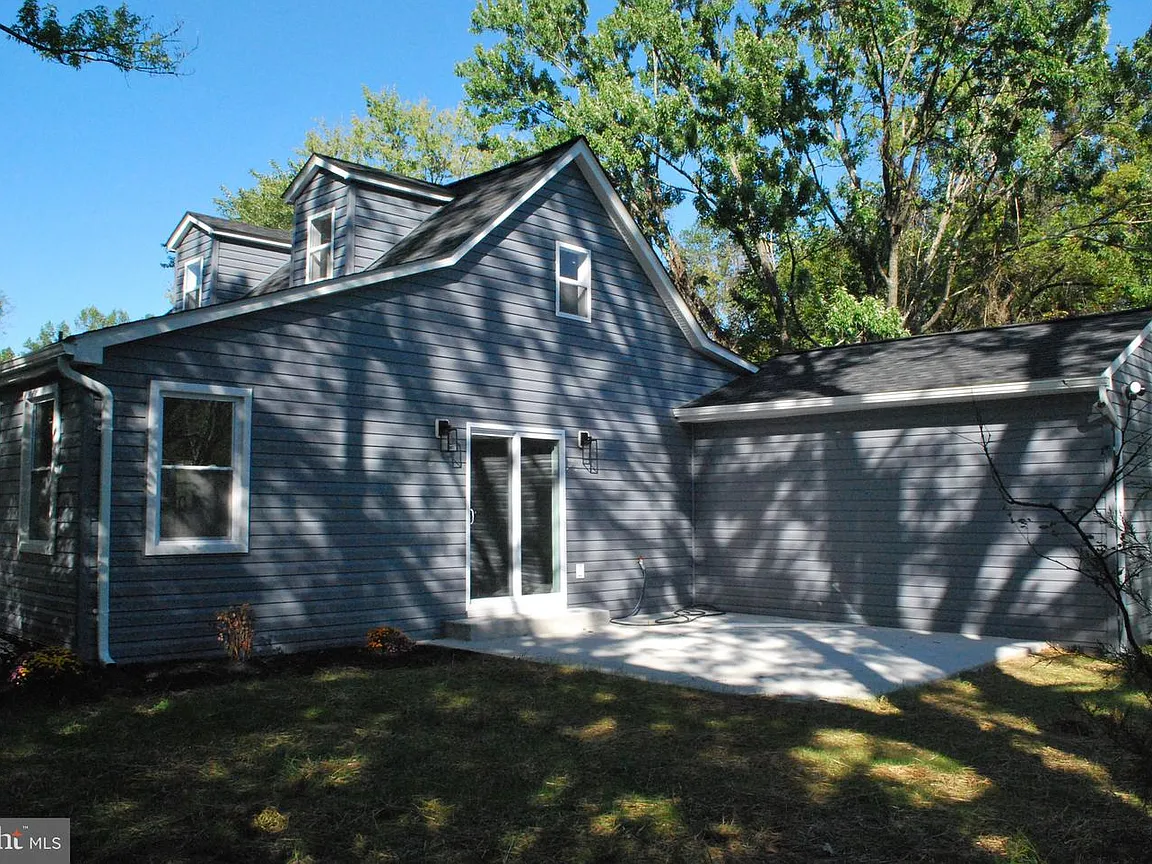
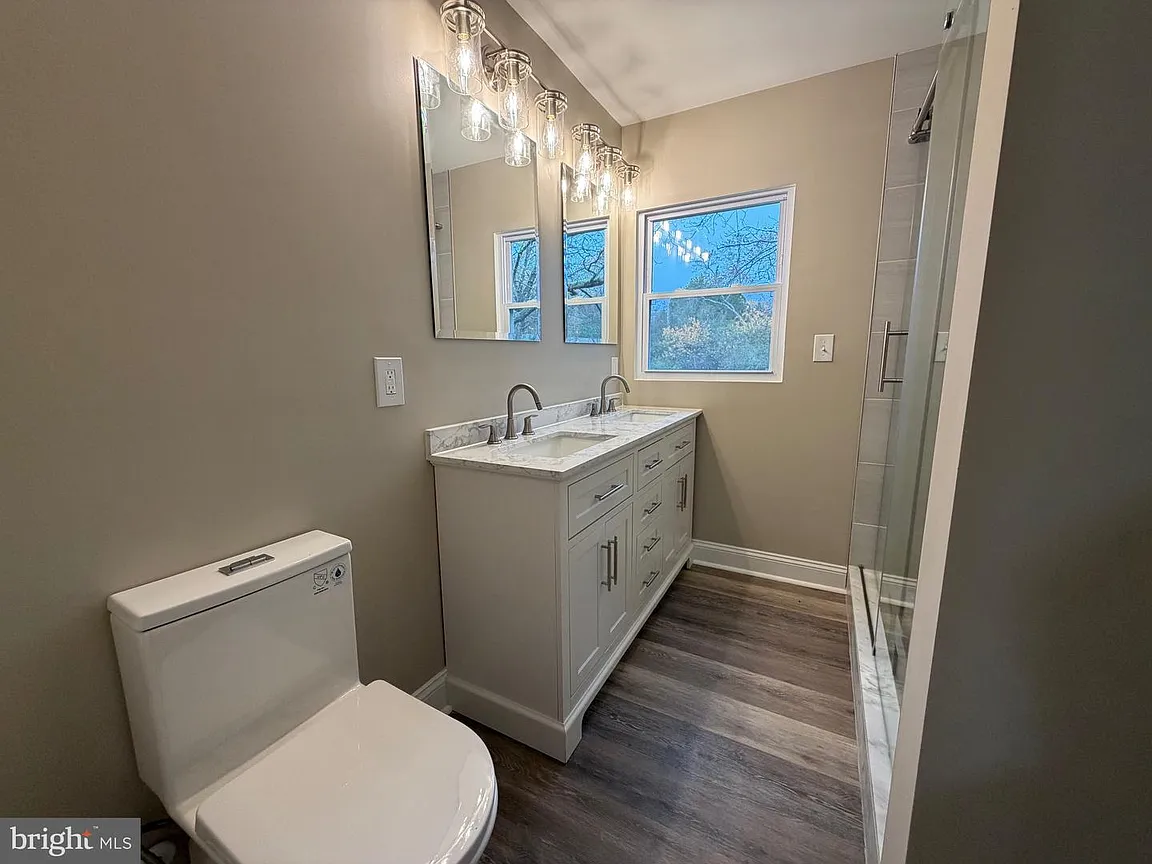
The home features a thoughtful renovation with updated finishes, material selections, and attention to detail throughout.
Major system upgrades include all new electrical, plumbing, HVAC, roof, siding, and water heater.
The layout feels open, spacious, and welcoming with all bedrooms and main living areas located on one level.
The kitchen includes granite counters, soft close cabinetry, island seating, a walk in pantry, and upgraded stainless steel appliances including a craft ice refrigerator.
The home offers the privacy, space, and setting many buyers are specifically looking for in a rural property.
No HOA and located in a USDA eligible area with potential 100% financing for eligible buyers. Conventional, FHA, VA, USDA, and cash financing options will all be considered.
The home is served by a drilled well estimated to be approximately 450 feet deep.
All new well pump, pressure tank, and related components.
The well has been shocked and passed water quality testing.
Two WDI reports were completed, the most recent dated 1/8/26. The reports noted no visible evidence of wood destroying insects at the time of inspection, and no treatment was recommended.
There is an existing conventional septic system with a drain field. During a septic evaluation completed in January 2026, root intrusion was noted in portions of the system. A 450 gallon hydraulic load test was also conducted, and the test observations were noted as satisfactory. The system was noted as functioning based on permitted capacity.
St. Mary's County subsequently evaluated the site to determine available options for addressing the root intrusion. The county identified conversion of the existing system to a holding tank as one such option, but conversion was not necessary and is not required.
Recent septic maintenance work has been completed to address the root intrusion, and the existing conventional system is flowing properly, working as expected, and remains in service.
A hydraulic load test evaluates how a septic system responds when a substantial amount of water is introduced into the system. During the evaluation of this home, 450 gallons of water were introduced into the system on the same day. The system was then observed for signs of backup or other performance concerns, such as water backing up into sinks, tubs, or toilets, or wastewater coming to the surface in the yard. The test observations were noted as satisfactory, and the system was noted as functioning based on permitted capacity.
The home currently operates on a conventional septic system, which is clear and flowing properly. Financing requirements vary by lender and loan program, so buyers should consult their lender regarding specific underwriting requirements.
Please contact the listing agent for the most current information regarding offer timing, deadlines, or seller review periods.
Offers will be considered based on overall terms, including price, financing, contingencies, timing, earnest money deposit, and other contract details.
Conventional, FHA, VA, USDA, and cash offers will all be considered.
A minimum earnest money deposit of 1% of the contract price is preferred.
The seller can accommodate settlement within 30 days, but will consider the timeframe as part of the overall offer.